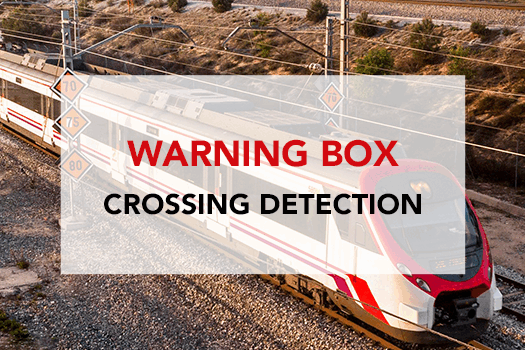
Warning Box – Innovation for railway safety
WARNING BOX – INNOVATION FOR RAILWAY SAFETY SORHEA by HIRSCH’s expertise lies in developing and…


They trust us with their security








WARNING BOX – INNOVATION FOR RAILWAY SAFETY SORHEA by HIRSCH’s expertise lies in developing and…
SORHEA BECOMES HIRSCH! The VITAPROTECH Group is continuing its growth and is undertaking a major…
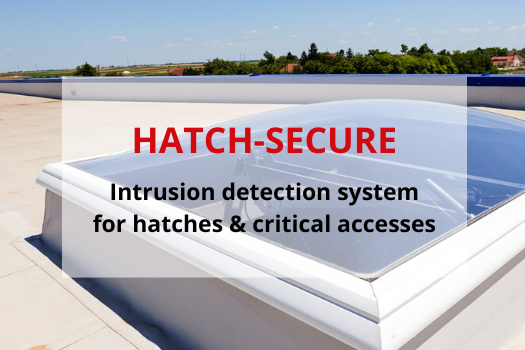
Discover SORHEA’s new intrusion detection system for hatches and critical accesses ! Ensure optimum protection…
Discover the next-generation SORHEA DAS analyser! SORHEA expands its range of perimeter solutions with its…
Share Sorhea’s values
Production and assistance are subject to quality control (ISO 9001 certified since 1999) and guarantee product reliability
High-quality and state-of-the art products consistent with the latest market trends
Every year, 8% of Sorhea’s turnover is invested back in to research and development, registration of several technology and model patents
Sorhea is reinforcing its presence both in France and abroad, with dedicated sales teams per geographic area
VITAPROTECH is the European leader in securing physical access to sensitive sites through its brands: SORHEA, TST, EUROCLOTURE Security, PROTECH, PROTECH VIDEOWAVE, TIL TECHNOLOGIES, ARD, TDSI, VAUBAN Systems, and ESI
Our mission: to secure physical access to sensitive sites.
The Group has 380 employees in 10 locations around the world.
Since 1987 and thanks to our know-how and experience, Sorhea has established itself as the leader and specialist for perimeter intrusion detection systems.
A key actor on the European security market, Sorhea offers the widest and most comprehensive product range with the entire rage of perimeter intrusion detection technologies.
Sorhea is attentive to its customers needs and innovates every year through the technologies used and their deployment possibilities.
Thanks to the progress made on numerous fronts and constant innovation, Sorhea is even more ahead of the competition on the perimeter intrusion detection market and is constantly consolidating its leadership position.
Sorhea undertakes to offer a customised service, in order to assist its customers in each phase of their site protection project.
Our teams offer a pre-sales and after-sales service tailored to the customers’ needs: audits, site surveys, technical training, on-site support, dedicated hotline.